How to Change a Diaper: Your Step-by-Step Guide
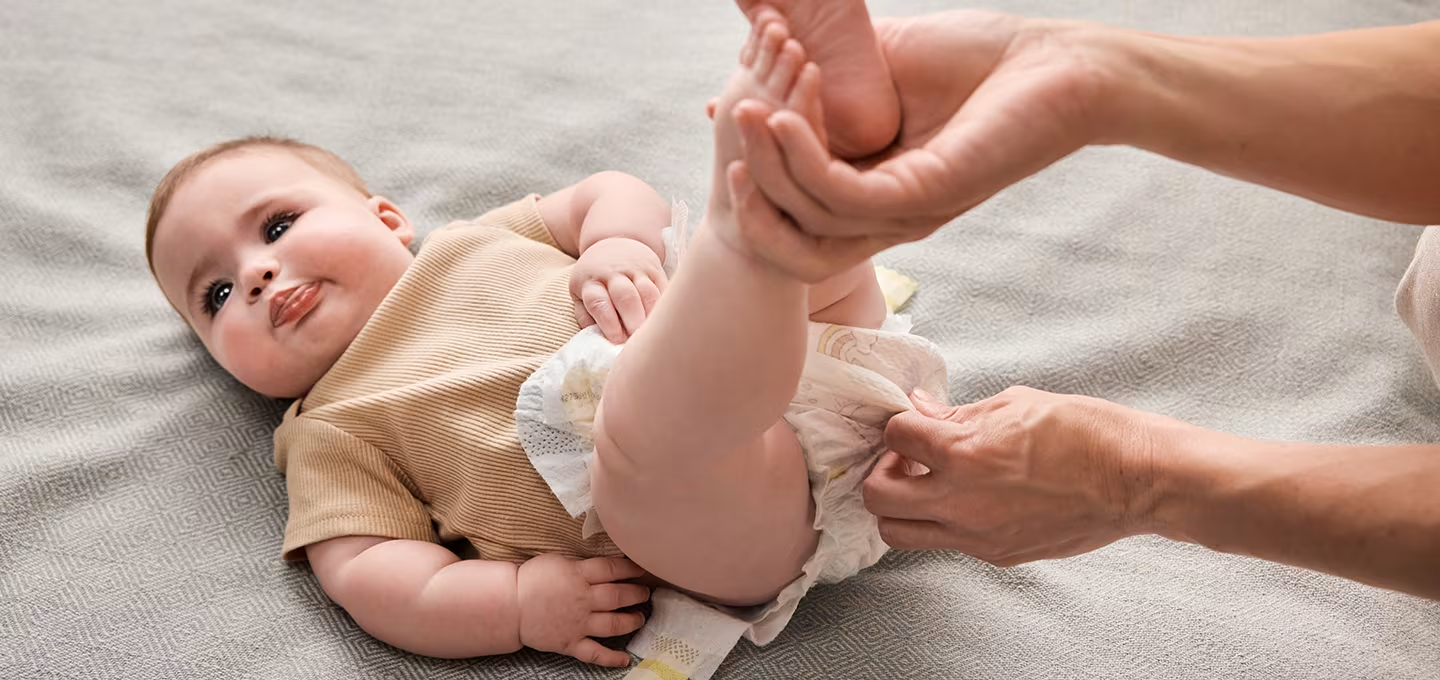
🍼 A Quick Guide on How to Change a Diaper
Changing diapers is just part of the parenting routine, like feeding or cuddling your baby. It might feel like a lot at the start, but once you get into it, it'll come naturally—and even give you some sweet bonding moments.
Keep reading for our complete, step-by-step guide on how to change a diaper for your baby. We'll cover what's different when changing newborns, baby boys, baby girls, and toddlers—plus give you some top diaper change tips.
5 Quick Tips to Change a Diaper
Step 2
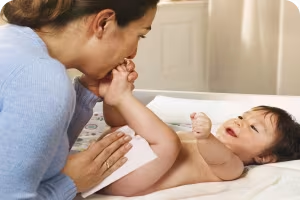
Gently clean your baby
Take care between the folds of skin and make sure to wipe from front to back. Try
Step 3
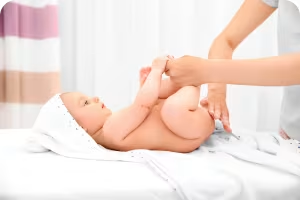
Apply cream if needed
If your baby has diaper rash, apply diaper rash ointment or barrier cream on the affected area.
Step 4
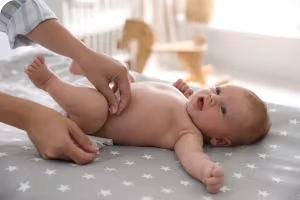
Place the fresh diaper
Slide a clean diaper, such as
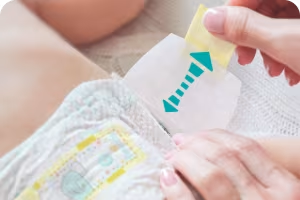
Step 5
Fasten properly
Use the fastening straps to adjust the fit - check the diaper is symmetrical and not too tight. Turn the leg cuffs out to prevent leaks.
How to Change a Diaper
First things first: make sure you've got everything you'll need within arm's reach before you begin. Here's your step-by-step guide for a smooth diaper change:
Step 1: Remove Diaper
Lay your baby on their back and open the dirty diaper. Roll it up and use the tabs to keep it closed. Toss it in a diaper pail or bag it before throwing it in the trash to cut down on smells. Remember, doing this calmly is part of how to change a diaper with confidence.
Step 2: Gently Clean
Use gentle wipes—like Pampers Sensitive Wipes—to clean the area, getting into all those little folds. Always wipe front to back, which is especially important during each diaper change.
Step 3: Pat Dry
Pat your baby's skin dry with a soft towel. If you've got a minute, let their bum air dry a bit—it's super soothing and helps avoid rash while you master how to change a newborn diaper.
Step 4: Gentle Care
If you see redness or a rash, dab on a thin layer of barrier cream or diaper ointment—it's key for diaper rash prevention, an essential part of routine diaper changes.
Step 5: Fresh Diaper
Hold your baby's ankles to gently lift their legs, slide a clean diaper underneath (make sure the colourful side faces you at the front! ), then pull the front up and onto your baby's belly.
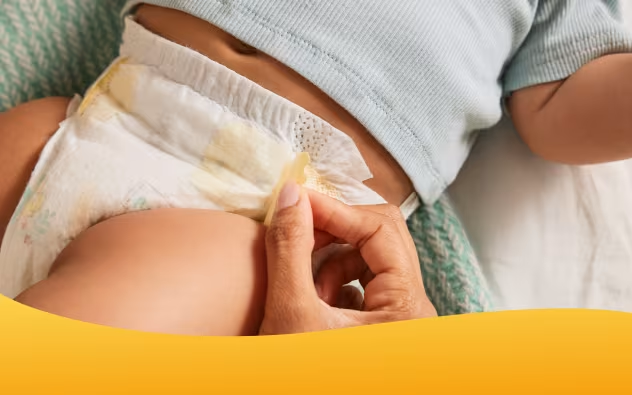
Step 6: Fasten Diaper
Bring over the diaper wings and fasten the tabs to the front, making sure it's snug—not too tight, not loose. You should be able to slip two fingers in at the waistband, and the tabs should line up. Flip out the leg cuffs for extra leak protection with each diaper change.
Step 7: Clean Up
Once you're done, keep your baby safe (always keep a hand on them if you're on a raised surface! ) and wash up, including the changing area.
Your Step-by-Step Guide to Easier Diapering
Download the full FREE guideWhat Do You Need to Change a Diaper?
Having all your diaper change essentials close by makes things so much easier! Lots of families set up a diaper changing station—even a corner in the nursery. Here's what to stock:
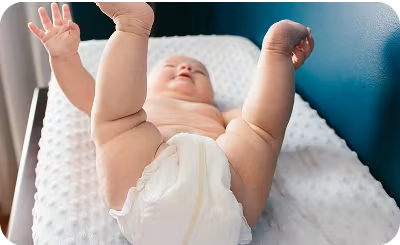
Diapers
Keep a healthy stash so you're never caught off guard. Size up when needed—growth spurts happen in a flash. Keep them in arms' reach (but not in your baby's reach! ).
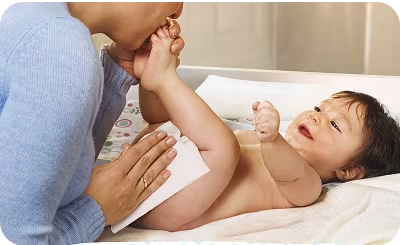
Wipes
Disposable wipes (especially gentle ones for sensitive skin) are a diapering staple for keeping your baby comfy and clean.
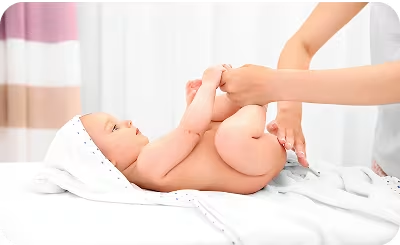
Diaper ointment or barrier cream.
Stash something your healthcare provider recommends for rashes or redness. Lots of things—like wetness, friction, or pH changes—can cause diaper rash, so having barrier cream handy helps with prevention.
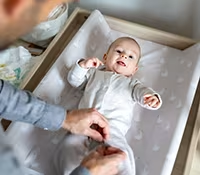
Diaper changing pad
A wipeable changing pad keeps things clean and makes your little one more comfy. Portable pads are great, and some have straps for wriggly babies—still, always keep a hand on your little one.
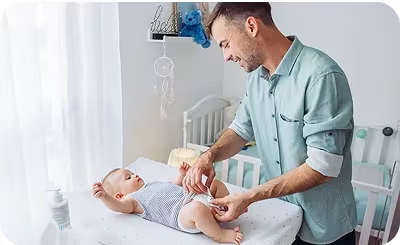
Diaper changing table
They're nice but not required! You can always lay a changing pad or towel on a bed, couch, or floor. For extra safety, use a table with guardrails (minimum 2 inches high). Bonus: many come with handy drawers or shelves for your baby's changing essentials.
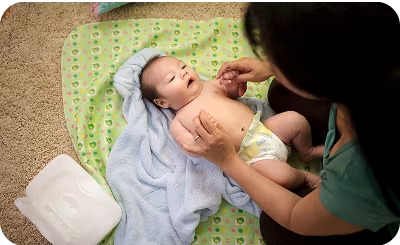
Towel or blanket
Any flat spot works for a diaper change—just put down a clean towel or blanket to keep things tidy. If you're on a high surface, never let go of your baby.
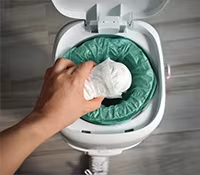
Diaper pail
Having a spot to toss dirty diapers helps keep odours contained and the nursery smelling fresh.
A changing station in your bedroom or the nursery means all your essentials (diapers, wipes, extra clothes) are right there—it's so much easier to focus on your baby and not scramble.

Tip
Want to get perks for all those diaper and wipes purchases? Download the Pampers Club app and start earning Pampers Cash with every box!
Diaper-Changing Tips
Practice makes perfect—diaper changes will be second nature before you know it! Whether you're changing a tiny newborn or chasing after a wriggly toddler, here are some of our top how-to-change-a-diaper tips for keeping your little one comfy and your day running smoothly.
How to Change Your Newborn's Diaper
If you're feeling nervous, you're not alone—everyone needs a little time to get the hang of tiny diapers and delicate newborn skin. Nurses, midwives, or your childbirth expert will guide you in those first days. Your newborn may go through up to 10 diapers daily, so you'll be a pro in no time!
Here's some advice just for newborns:
Pick fragrance free diapers made for newborns
like Pampers Swaddlers have a cutout for their umbilical cord stump, which helps protect it as it heals. Learning how to change a newborn diaper starts with the right fit.
Be gentle with the umbilical area
Clean around the cord only if needed and use a damp cotton ball or cloth—no alcohol unless your provider says so. Watch for redness, bad smells, or yellow discharge. If the stump hasn't fallen off in about three weeks or you spot problems, call your healthcare provider. Check out our in-depth umbilical cord care guide.
Expect messy first poops
Meconium is sticky and greenish-black; it'll turn yellow after a few days once your baby starts breastmilk or formula.
You may also notice:
A little blood in your baby girl's diaper the first week. This usually comes from mom's hormones and is totally normal—but always ask your provider if you're unsure.
When in doubt about what's normal for diaper changes, reach out to your provider—no question is too small!
How to Change a Baby Boy's Diaper
Baby boys can surprise you during diaper changes! Along with the usual steps, try these:
Cover their penis with a fresh diaper or cloth as soon as you open the old one, so you don't get caught by a sudden spray.
Always point the penis down before fastening up the new diaper—it helps prevent leaks up top during a diaper change.
How to Change a Girl's Diaper
Changing baby girls is all about being gentle and keeping things clean. Keep these in mind for every diaper change:
Always wipe front to back every time—to help prevent bladder infections as you learn how to change a diaper for your little girl.
Wipe between every fold to get all those baby creases fresh and clean.
How to Change Your Toddler's Diape
Once babies start moving, diaper changes may get a little wilder! Here's how to make it easier with your growing child:
Try standing diaper changes. Toddlers often prefer standing up (especially busy little ones! ). This approach is handy for both you and your toddler during diaper changes.
Check out diaper pants like Pampers Cruisers 360. Slide-on style with EZ Off Tabs means you don't have to lay your toddler down. Discover more about Pampers Cruisers 360.
Chatting with your toddler and letting them "help" (hand you wipes, etc. ) can make diaper changes smoother and start them thinking about potty training. You can even let them watch as you put poop in the toilet—every little interaction helps during diaper changes.
Diaper Changes on the Go
Changing diapers in public? Feels awkward at first, but with a little preparation, it'll get much easier.
Here are some on-the-go diaper-changing essentials:
Fully stocked diaper bag. Bring enough diapers, wipes, a change pad, diaper cream, and at least one backup outfit for every outing with your little one—smooth diaper changes start here.
Pick safe surfaces. Always use the changing table's security strap (if it has one! ), and never let go of your little one on the table.
Keep things clean. Lay down your own changing pad, use hand sanitizer, and put dirty diapers in a sealed bag every time you do a diaper change.
Be respectful. Clean up after yourself, and don't use food tables or benches for diaper duty.
No diaper-changing table? Find a clean, private spot. The backseat or the trunk of your car works in a pinch for a quick diaper change!
Want tips for different public scenarios? Check out this guide for more advice.
Parents also ask. . .
How do I tell if my baby's diaper is wet?
Lots of Pampers diapers have a Wetness Indicator strip that changes colour when wet. Otherwise, just check for a squishy or bulky feel in the front or back—knowing this is useful for every diaper change.
How do I prevent diaper rash with frequent diaper changes?
Change diapers as soon as they're dirty or wet, keep skin clean and dry, make sure diapers fit well, and use a barrier cream if you see redness. If the rash doesn't clear up in a few days, check with your provider.
How Do You Know It's Time for a Diaper Change?
Many diapers have a Wetness Indicator stripe that changes colour so you'll know at a glance if it's time for a diaper change.
Other clues your baby needs a fresh diaper include:
It feels damp to the touch, inside or out
You can see or smell pee or poop
The diaper is saggy or puffed up underneath
Your baby is fussy or uncomfortable.
What to Do If Your Baby Dislikes Diaper Changes?
If your baby cries, wiggles, or seems bothered during diaper changes, you're far from alone. Most babies go through phases of disliking being changed—especially if they're cold or tired, or just don't like the sensation.
Try these diaper-changing tips for a happier experience:
Keep it warm and soothing. Warm your wipes and make sure the room isn't chilly, creating a comforting space for each diaper change.
Distractions work wonders. Use a favourite toy, sing, or just talk to your baby about what's happening to ease the diaper changes.
Work fast but gently. Have everything you need before you start, and go quickly without rushing. Smooth diaper changes come with practice.
Let your baby "help. " Offer a clean wipe or diaper to play with—it might give you just enough time during the diaper change!
Stay calm and consistent. Babies pick up on your mood—keeping it mellow can really help with diaper changes.
If your baby's upset because of diaper rash or sensitive skin, ask your healthcare provider. Sometimes squirming means discomfort, sometimes it's just a stage.
Parents also ask. . .
How do I stop my baby from wriggling during a diaper change?
Always have one hand on your baby for safety. Give them something to hold or sing a song as a distraction. The more routine you make diaper changing, the calmer your baby will be over time.
Why does my baby hate nighttime diaper changes?
Most babies don't like being disturbed when they're sleepy. Keeping the lights low and moving slowly and quietly can help make overnight diaper changes easier for everyone.
FAQS AT A GLANCE
Start by laying your baby on a clean, flat surface and always keep a hand on them. Undo the dirty diaper, wipe front to back, lift their legs, and remove the soiled diaper. Slide in a clean one, use diaper cream if needed, and secure the tabs snugly.
The Bottom Line
Changing diapers might not be your favourite job, but it keeps your baby happy, clean, and comfortable—and gives you a little one-on-one time! The more you do it, the easier it gets. Knowing how to change a diaper confidently helps both you and your baby have a positive experience.
Newborns may need up to 10 diaper changes a day—especially after poops or whenever the diaper is wet. Want to know more about how often to change a diaper as your baby grows? We've got you covered!
If you start noticing leaks, red marks, or tight spots, your baby might be ready for a bigger size. Use our diaper size and weight chart to help pick the best fit.
Got a case of diaper leaks or blowouts? Use our article with diaper-changing hacks, tips for leak prevention, plus advice for finding the right diaper fit: prevent diaper leaks & blowouts here.
The right routine, the right tools, and Pampers' know-how mean you're all set for happy, healthy diapering duty.
How We Wrote This Article The info in this article comes from trusted medical and government sources, like the American Academy of Pediatrics and the American College of Obstetricians and Gynecologists. These resources help guide what we share, but nothing replaces your own doctor's advice. Always reach out to a healthcare professional if you need help.
Join Pampers Club and get:
- PAMPERS COUPONS
- TOOLS & QUIZZES
- PARENTING TIPS
 PAMPERS COUPONS
 TOOLS & QUIZZES
 PARENTING TIPS