Diaper Rash: Causes, Symptoms, & Relief for Your Baby
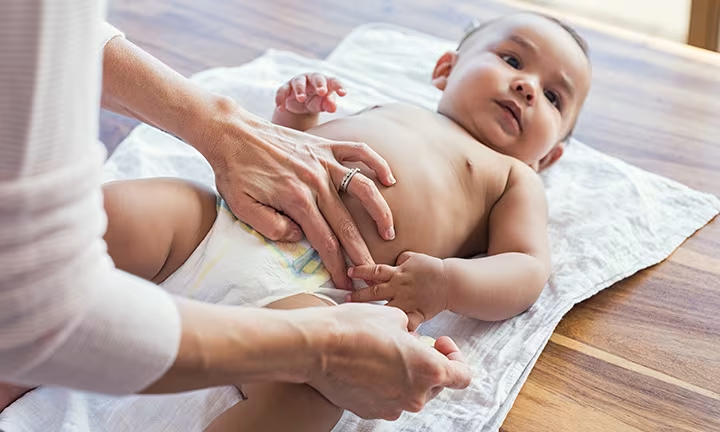
Key Takeaways
Common causes of diaper rash:
Signs and symptoms of diaper rash:
How to help prevent diaper rash:
Diaper rash is a common skin irritation that most babies experience at some point. It shows up as red or discoloured patches in the diaper area. Even though it looks a bit uncomfortable, most cases are pretty mild and will clear up in a few days with simple care at home.
With the right routine, you can help soothe your baby's sensitive skin and make diaper rash less likely to come back. Here, you’ll learn the diaper rash signs, what usually causes it, and some easy but effective ways to manage and prevent it—including tips for the most stubborn skin rash on the bum.
5 Quick Tips for Diaper Rash Prevention

Change your baby's diaper regularly
Help keep diaper rash at bay by changing diapers frequently to ensure your baby's skin stays clean and dry.
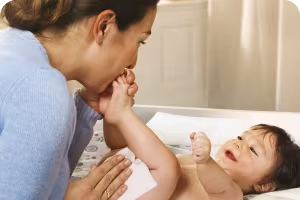
Keep your baby’s skin clean
Use wipes that are alcohol-free and unscented—or whatever gentle solution works for your family.

Choose the right size diaper
Make sure diapers aren’t too tight (or too loose). If your little one has diaper rash, try a slightly bigger size while they heal.
Choose diapers with super-absorbent layers
Choose diapers that effectively pull moisture away from the skin and help keep your baby dry and comfy for longer.

Let your baby’s skin breathe
Go with breathable, disposable diapers that allow for airflow, cutting down on moisture and irritation—even during tummy time or long naps.
What Is Diaper Rash?
Diaper rash (also called diaper dermatitis) is a common irritation that may make your baby’s bum sore, red, flaky, or extra sensitive. It can make diaper changes a bit of a struggle for both of you. On lighter skin, it might look red or pink, showing up on the bum or in the folds. On darker skin tones, you may see brown, purple, or greyish patches instead.
Diaper rash usually happens because of too much moisture, friction, or contact with pee and poop—not the diaper itself. More than half of all babies will get diaper rash or a similar skin rash on their buttocks at some point, so you’re not alone.
The good news? Most rashes are mild and clear up with a bit of gentle care and the right diaper rash treatment. If you're curious about developmental milestones that take place during this stage, check our in-depth baby development guide.
Tip
Diaper rash pops up in more than half of all babies—so if you spot some irritation or sensitivity around your little one’s bum, don’t worry. Most mild rashes resolve with home care in just a few days, but check with your healthcare provider if it persists or worsens.
Feeling a little overwhelmed by diaper rash? No worries. With a simple care routine, you’ll know exactly what to do next. Grab our quick-relief guide for easy steps you can try within the next 24 hours.
Your Diaper Rash Care Plan: Quick Relief in 24 Hours
Download the full FREE guideWhat Does Diaper Rash Look Like?
Diaper rash isn't the same for every baby—what you see depends on the cause, your little one's skin tone, and how bad the irritation is. Most cases go away quickly, but some skin rash on the bum may need a little extra attention.
Here’s how to spot diaper rash symptoms and what they might mean:
Common Signs and Symptoms of a Diaper Rash
Lots of parents look up diaper rash pictures to double-check what’s going on. While every baby’s skin looks different, there are a few classic signs to watch for:
Red or discoloured skin in the diaper area. This could be pink or red on lighter skin, or brownish, purple, or greyish on darker tones
Bumps or small raised spots (sometimes they’re reddish or brown)
Peeling, flaky, or scaly skin
Puffiness or sensitivity in the diaper area or creases
Skin feels warm in that area
Extra fussiness at diaper changes, especially if you touch the irritated skin.
These diaper rash symptoms usually show up where skin stays moist or rubs on a diaper—like the bum, genitals, or thighs; sometimes, you may notice a stubborn rash on the bum that needs special care.
Here’s a handy cheat sheet to help you match up symptoms with possible causes and next steps:
What you may see | What it may suggest | What to do next |
|---|---|---|
Mild redness or slight irritation | Likely a mild irritant diaper rash from moisture or friction | Keep the area clean and dry; change diapers often |
Bright red rash with defined edges, especially in skin folds | Yeast diaper rash (fungal infection) | Check in with your baby’s healthcare provider—antifungal cream might be needed |
Yellowish crust, oozing, or pus-filled bumps | Bacterial diaper rash | See your healthcare provider—may need prescription treatment |
Small red bumps or rash after using new products | Irritation or allergy rash | Stop using the new product and watch for changes |
Dry, scaly patches outside the diaper area | Conditions like eczema | Ask your healthcare provider for advice |
If you’re lost or concerned, don't hesitate to get a second opinion from your healthcare provider to identify a rash or treat a recurring rash.

Mild vs. Severe Diaper Rash
It helps to know the difference between a mild rash and a severe one, so you can act promptly if your baby develops a more intense irritation.
Mild diaper rash | Severe or bad diaper rash |
|---|---|
Gentle redness or a bit of colour change | Intense redness or very dark spots |
Small bumps or some dryness | Blisters, open sores, or even bleeding skin |
Just in a small patch | Spreads outside the diaper area |
Baby seems comfortable and well overall | Baby is fussy or seems in pain during changes |
Severe diaper rash can also mean:
Open sores or blisters
Pus, oozing, or crusty patches
Worsening redness or swelling—possible infection.
If you spot these symptoms, or if the rash persists for more than a few days, get your little one checked out.
Extra tip: Some skin problems, like eczema or cradle cap, might look similar, so ask your healthcare provider if you’re not sure. Here’s more info on how to spot different baby rashes, including the difference between infant diaper rash and other conditions.
Parents also ask…
Is diaper rash painful for babies?
For mild rashes, it’s usually just a bit of discomfort. Severe rashes can be painful, though, especially when you touch the area during a change.
Can diaper rash spread to other areas?
Sometimes diaper rash will spread outside the diaper if the irritation continues or the skin gets infected—most often in warm, moist skin folds.
What Causes Diaper Rash?
Even though it’s called diaper rash, it’s not usually about the diaper itself. Most of the time, it’s a combo of being wet, friction, and your little one’s sensitive skin getting irritated.
The cozy, damp environment inside a diaper can make it easier for irritation to happen—especially if pee, poop, or bacteria stay in contact with the skin. Knowing the usual causes can help you tackle diaper rash head-on.
Common Diaper Rash Causes
Here are some of the biggest diaper rash triggers:
Prolonged skin contact with urine or stool
This is a common cause, especially after repeated or messy poop.
Excess moisture
If the skin stays wet, the protective barrier breaks down more quickly
Changes in skin pH
Enzymes in poop can disrupt the skin's natural balance and make it more sensitive
Reactions to new products
New wipes, soaps, or even diapers can sometimes trigger a rash if your baby’s skin is sensitive. Watch for a new skin rash on the bum after switching products.
In Summary
Usually, it all comes down to moisture, friction, and contact with pee or poop. Small changes—like changing diapers more often or making sure they fit right—can really help protect your baby's skin from diaper rash and reduce flare-ups of skin rash.
Other Possible Causes of Diaper Rash
Sometimes a diaper rash is actually a sign of something else going on. Some common reasons include:
Yeast infections (fungal diaper rash). These are usually bright red, sometimes with defined edges, and might spread into skin folds
Bacterial infection. If you’ve got oozing or pus, it could be bacteria at work
Allergic reaction. This happens after switching to a new product, fabric, or wipe
Other skin conditions. Conditions like eczema often spread outside the diaper zone.
If the symptoms look unusual or persist, have your healthcare provider take a look—they’ll help you figure out if it’s a typical infant diaper rash or something else entirely.
What Factors Increase the Risk of Diaper Rash?
There are a bunch of everyday things that can make diaper rash pop up, even if you’re doing your best:
Frequent poops or diarrhea. Diarrhea and diaper rash often show up together, since frequent, runny poops can be tough on the skin
Starting solids. New foods change what comes out, which sometimes means extra frequent or acidic poops and a higher risk of rash
Teething. Diaper rash may occur during periods of teething due to increased saliva in the system, which often softens poops
Antibiotics. These can throw off the good bacteria balance, and sometimes cause diaper rash (especially yeast ones)
Sensitive skin. Some babies get irritated more easily—with newborns and diaper rash, prevention matters most
Wrong diaper fit. Diapers that are too tight can trap dampness and increase the friction, making a butt rash more likely.
How Long Does Diaper Rash Last?
How long a diaper rash hangs around depends on how bad it is. If it’s mild, you usually see a big improvement in 3 to 4 days with home care. Tougher cases may last longer or need things like a prescription cream or ointment for a persistent rash on the bum.
If your baby’s rash just isn’t getting better or seems to be getting worse, your healthcare provider can figure out what kind it is and help you with the next best step, especially if you’re noticing frequent infant diaper rash symptoms.
Parents also ask…
Can teething cause diaper rash?
Teething doesn’t directly lead to diaper rash, but those changes in saliva and digestion might mean more poops, which can definitely mean more risk of rashes.
Can diaper rash come back after it heals?
Yes. Flare-ups can happen with illness, diarrhea, or sensitive skin. Consistency with diaper care is key to helping keep diaper rash away—for every baby, especially newborns and diaper rash.
Diaper Rash Treatment and Relief
Most of the time, you can get rid of mild diaper rash at home by sticking to a good care routine. Wondering what helps most with diaper rash? Or how to get relief quick? These steps make a big difference, especially for common irritant diaper rash.
Think of it as your four-step game plan:
Gently wash your baby’s bum with warm water or unscented wipes made for sensitive skin. The goal: gently remove any irritants without rubbing the skin.
Dry
Dry
Pat dry—don’t rub! Air-drying for a few minutes also helps get rid of extra moisture, reducing the chance of continued rash on the bum.
Protect
Protect
Unsure which one? Ask about the best options for creating a barrier to lock out moisture and irritants.
Monitor
Monitor
Keep an eye on the rash as you treat it. Most mild rashes get better in a few days with consistent care, but a severe rash could need more help.
Little habits—like frequent diaper changes and picking a diaper that fits properly and absorbs well—go a long way to healing and prevention, making life a little easier.
For more about skin health, discover Swaddlers and Sensitive Wipes designed for a healthy skin environment.
How to Prevent Diaper Rash?
Diaper rash is so common it’s pretty much a fact of babyhood. But there are lots you can do to help cut back on flare-ups and reduce the risk of skin rash on the bottom:
Change diapers often. The drier you keep your baby’s bum, the better it is for preventing infant diaper rash. Making a routine of good baby care strengthens prevention for your little one.
Gently clean the area. Fragrance and alcohol-free wipes or mild water do the trick—especially for the skin folds. For more advice, see our guide to our best baby wipes, featuring Pampers Sensitive Wipes and Pampers Ultraclean Wipes.
Choose the right diaper size. A snug-but-not-tight fit helps reduce irritation. When your baby has a rash, sometimes sizing up for a few days can help.
Pick super-absorbent diapers. Look for diapers that effectively pull wetness away. Pampers Swaddlers help fight the four main causes of diaper rash. The Swaddlers Blowout Barrier and LeakGuard stop leaks, while KeepDry Liner and LockAway Channels draw away wetness and let your baby’s skin breathe. Soft, stretchy sides give them lots of freedom to wiggle. Swaddlers are also fragrance free!
Let skin air out. Give your little one some naked bum time, or use diapers that are super breathable to help with airflow and keep the area cool, cutting down on the risk of skin rash on the bum.
Use a gentle detergent when washing your baby's clothes and sheets to avoid introducing anything that might trigger another diaper rash.
Watch for reactions to new foods. If you’re starting solids, keep an eye out for any changes in your baby’s skin or digestion. Changes in diet may cause a skin rash on the bum to flare up.
When to Contact Your Healthcare Provider
Most diaper rash cases clear up in a few days with gentle care, but sometimes you might need some help from the professionals. If you notice any of these, reach out to your healthcare provider:
Rash not getting better after a few days or if it's getting worse
Diaper rash with blisters, open skin, or peeling
Diaper rash with bleeding, or if the area looks raw
Pus, oozing, or crusty areas that could be a sign of infection
Bright red rash outlined by defined edges and lots of little red dots, especially after antibiotics (could be a yeast infection)
Fever alongside the rash
Obvious pain, like your baby is extra fussy during diaper changes
Rash that creeps past the diaper area—like onto the belly, thighs, or even the face.
Your provider will figure out what’s going on and get you on the right course—especially if it's a stubborn or severe rash on the bum.
What Questions Should You Ask Your Baby’s Provider?
If you’re bringing up diaper rash at an appointment, coming prepared with questions can really help. Here are a few to consider asking:
What type of diaper rash does my baby have?
Do you think this is an infection or something else?
What’s the best treatment right now?
Anything I should steer clear of using on their skin?
How long should it take for things to clear up?
When should I check back in if it’s still not better?
FAQs at a Glance
To help diaper rash heal up fast, keep the area clean and dry, change diapers often, and put on barrier cream recommended by your baby’s healthcare provider. Most mild cases look a lot better after just a few days of steady care.
The Bottom Line
Remember: diapers themselves don’t actually cause rashes. The big culprits are too much moisture, friction, pH shifts, and skin sitting in pee or poop too long. With tips and support from your healthcare provider, you’ll get a proper diagnosis and the best ways to help your baby feel better, whether it’s a recurring infant diaper rash or a stubborn skin rash on the bottom. Want to save on diapers and wipes? Download the Pampers Club App to get more value for your family.
How We Wrote This Article We put this article together using expert insights from trusted sources like the American Academy of Pediatrics and the American College of Obstetricians and Gynecologists. Check out all the references below. But keep in mind: This content isn’t a substitute for medical advice. Always speak with your healthcare pro for diagnosis and treatment.
Read more about About Pampers
Join Pampers Club and get:
- PAMPERS COUPONS
- TOOLS & QUIZZES
- PARENTING TIPS
 PAMPERS COUPONS
 TOOLS & QUIZZES
 PARENTING TIPS